what does estrogen patches do for ivf Transdermal estrogen vs. oral estrogen
Progesterone and Your Fertility If you’re trying to conceive, you may be familiar with the hormone progesterone. But do you really understand its role in fertility? Let’s take a closer look. Progesterone is a hormone that plays a key role in helping to prepare the uterus for pregnancy. It’s produced by the ovaries after ovulation and helps to thicken and prepare the lining of the uterus to receive a fertilized egg. Without adequate levels of progesterone, the uterus may not be able to support a successful pregnancy. In addition to its role in fertility, progesterone is also important for supporting a healthy pregnancy. It helps to maintain the uterine lining, prevents contractions that could cause a miscarriage, and promotes healthy fetal development. So what does this mean for you if you’re trying to conceive? Well, if you have low levels of progesterone, it could make it more difficult to get pregnant or increase the risk of a miscarriage. There are a number of factors that can affect progesterone levels, including stress, nutritional deficiencies, and certain medical conditions. If you’re concerned about your progesterone level, talk to your healthcare provider to see if testing is warranted. If you are trying to conceive, there are a number of things you can do to support healthy progesterone levels. Eating a balanced, nutritious diet that’s rich in protein, healthy fats, and nutrient-dense foods is a good place to start. Certain supplements, such as vitamin B6, magnesium, and zinc, may also be helpful in supporting healthy progesterone levels. In addition to lifestyle changes, your healthcare provider may recommend progesterone supplementation if it’s determined that your levels are low. This can be done through oral or vaginal suppositories, injections, or topical creams. Your healthcare provider will work with you to determine the best course of treatment based on your individual needs and medical history. Transdermal Estrogen vs. Oral Estrogen – What’s the Difference? If you’re going through menopause or experiencing symptoms of hormonal imbalances, you may be considering hormone replacement therapy (HRT). One of the key decisions you’ll need to make is whether to take estrogen orally or through a transdermal patch. So what’s the difference, and which one is right for you? Let’s take a closer look. Oral estrogen is taken in pill form and travels through the bloodstream to reach its target tissues. It’s generally less expensive than transdermal options, but it can have a number of drawbacks. Because oral estrogen must first pass through the liver, it can be associated with an increased risk of blood clots and other health concerns. It can also be absorbed unevenly, which can lead to fluctuations in hormone levels. Transdermal estrogen, on the other hand, is delivered through a patch that is applied to the skin. This method bypasses the liver and delivers a consistent dose of estrogen directly into the bloodstream. It’s associated with a lower risk of blood clots and other health concerns, and may also be more effective at relieving certain symptoms, such as hot flashes and vaginal dryness. So which one is right for you? That depends on a number of factors, including your individual medical history, symptoms, and personal preferences. If you have a history of blood clots or other health concerns, for example, transdermal estrogen may be a safer option. And if you prefer the convenience of a pill, oral estrogen may be a better fit. Regardless of which option you choose, it’s important to work closely with your healthcare provider to ensure that your hormone replacement therapy is safe and effective. Regular check-ins and dosage adjustments may be necessary to ensure that you are getting the most benefit from your HRT. In conclusion, both progesterone and estrogen play important roles in supporting women’s health and fertility. By understanding the differences between oral and transdermal options and working with your healthcare provider to develop a personalized treatment plan, you can help support healthy hormone levels and achieve optimal health and wellness.
If you are looking for Transdermal Estrogen vs. Oral Estrogen - Charleston HealthSpan Institute you’ve visit to the right page. We have 5 Pics about Transdermal Estrogen vs. Oral Estrogen - Charleston HealthSpan Institute like What Is The Lowest Dose Of Estrogen Patch - ramfiles, Estrogen Cream, Patches and Pellets: What You Need To Know - Mache and also Understanding the Role of Estrace During An IVF Cycle. Here you go:
Transdermal Estrogen Vs. Oral Estrogen - Charleston HealthSpan Institute
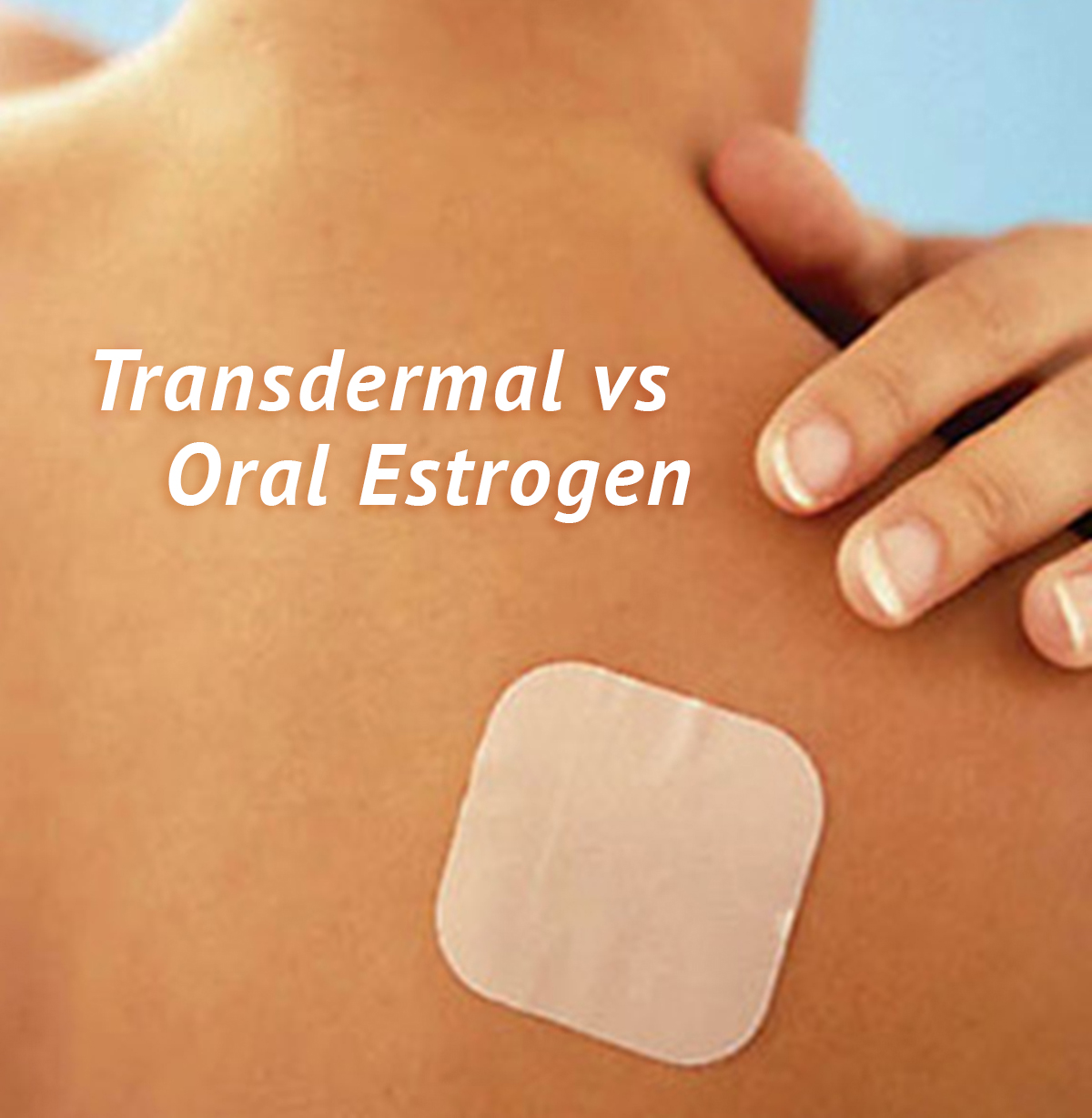 charlestonhealthspan.comestrogen transdermal oral vs patch mar
Understanding The Role Of Estrace During An IVF Cycle
:max_bytes(150000):strip_icc()/why-do-i-need-to-take-estrogen-during-ivf-2616548_V32-b66b3199169642bbb0a365c7af67dce5.png) www.verywellhealth.comestrogen ivf estrace brianna verywell gilmartin verywellhealth
www.verywellhealth.comestrogen ivf estrace brianna verywell gilmartin verywellhealth
Estrogen Cream, Patches And Pellets: What You Need To Know - Mache
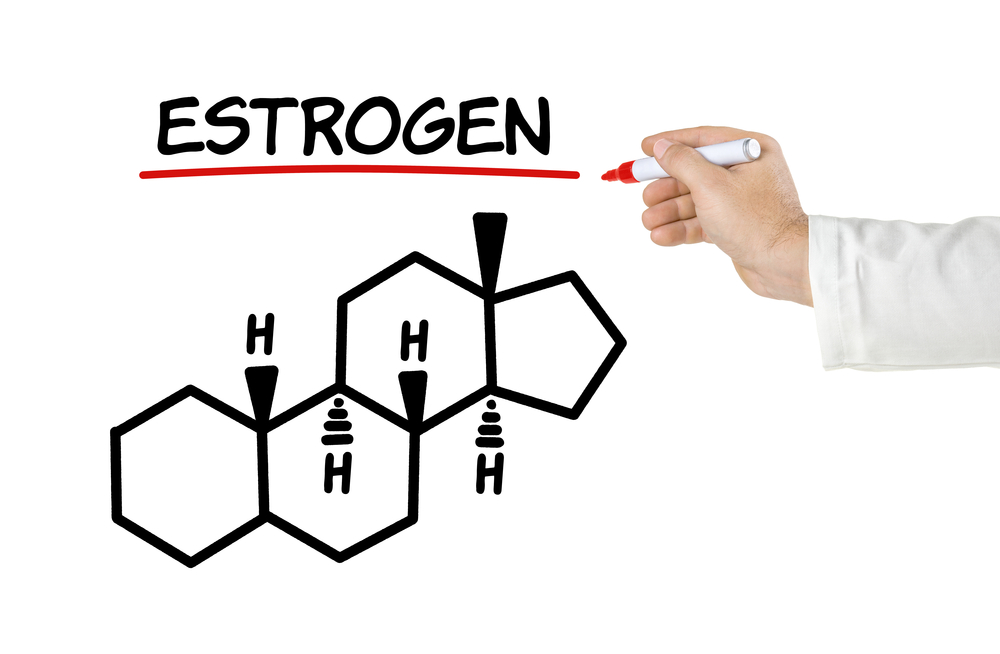
What Is The Lowest Dose Of Estrogen Patch - Ramfiles
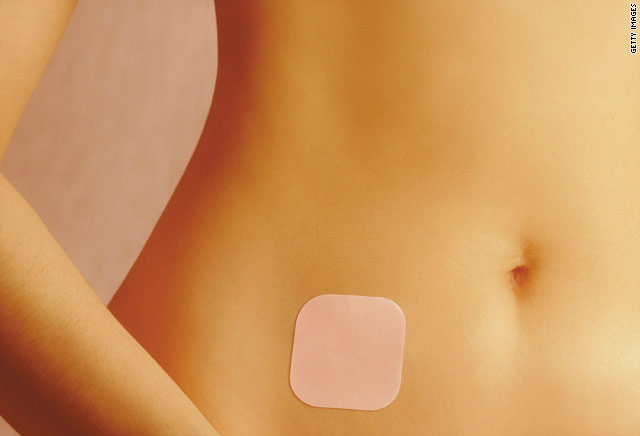 ramfiles482.weebly.compatch estrogen dose lowest natural progesterone hrt low estradiol effective dhea safe cream
Progesterone And Your Fertility
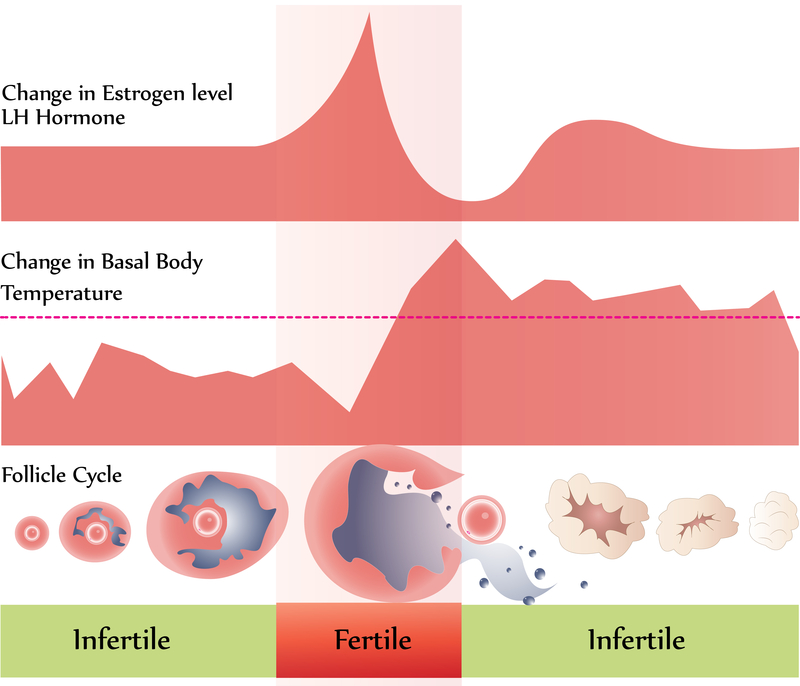 yourfertilityjourney.comprogesterone ovulation fertility chart norethindrone transdermal estradiol acetate hormone patch utilities programs part apps female effects preview
Progesterone ovulation fertility chart norethindrone transdermal estradiol acetate hormone patch utilities programs part apps female effects preview. Estrogen ivf estrace brianna verywell gilmartin verywellhealth. Patch estrogen dose lowest natural progesterone hrt low estradiol effective dhea safe cream