what should your ketones levels be An inconvenient truth about ketone levels
Starting with a little truth bomb- have you heard of the inconvenient truth about ketone levels? It turns out that there is a lot of misinformation surrounding the topic of ketones and nutritional ketosis. But before we get into that, let’s first understand what ketones are. Ketones are organic compounds produced by the liver when the body is in a state of ketosis. Ketosis occurs when the body burns fat instead of carbohydrates for energy. This is often achieved through a high-fat, low-carbohydrate diet like the popular ketogenic diet. When the body is in a state of ketosis, it produces ketones to fuel the body and brain. Now, onto the inconvenient truth- there is a lot of confusion surrounding what optimal ketone levels are for the body. Many people believe that higher ketone levels are better, but that’s not necessarily true. In fact, according to Dr. Stephen Phinney, the optimal zone for nutritional ketosis is between 0.5 to 3.5. This means that if your ketone levels are too high or too low, it can actually be a bad thing for your body. High ketone levels can cause issues like ketoacidosis, a potentially life-threatening condition. On the other hand, low ketone levels can result in lost weight loss, fatigue, and other health problems. So how do you achieve optimal ketone levels? The answer lies in finding the right balance of macronutrients and monitoring your ketone levels regularly. The ketogenic diet typically involves consuming around 70-80% of your calories from fat, 5-10% from carbohydrates, and 15-25% from protein. However, this ratio may vary for each person depending on their individual needs and goals. To monitor your ketone levels, you can use a blood ketone meter or a breath analyzer. These devices will give you an accurate reading of your ketone levels, allowing you to adjust your diet and lifestyle accordingly. In conclusion, the inconvenient truth about ketone levels is that there is a lot of misinformation out there. It’s important to find the right balance for your body and monitor your ketone levels regularly to achieve optimal health and wellness. So, let’s focus on finding that optimal zone of 0.5 to 3.5 and fuel our bodies and brains smartly.
If you are looking for An Inconvenient Truth About Ketone Levels | Ketones, Ketone levels for you’ve came to the right place. We have 5 Images about An Inconvenient Truth About Ketone Levels | Ketones, Ketone levels for like Nutritional ketosis optimal zone is between 0 5 to 3 5 According to Dr, Testing Basic: What Should Your Ketone Levels Be in 2020 | Keto, Keto and also Testing Basic: What Should Your Ketone Levels Be in 2020 | Keto, Keto. Read more:
An Inconvenient Truth About Ketone Levels | Ketones, Ketone Levels For
 www.pinterest.comketone ketones ketosis diet ketogenic inconvenient
Nutritional Ketosis Optimal Zone Is Between 0 5 To 3 5 According To Dr
 www.pinterest.commojo ketone ketosis optimal ketones nutritional glucose
What Should Your Ketone Levels Be? | Ketones, Glucose, Keto
 www.pinterest.comTesting Basic: What Should Your Ketone Levels Be In 2020 | Keto, Keto
 www.pinterest.commojo
The Ultimate Guide To Ketone Testing - TheDiabetesCouncil.com
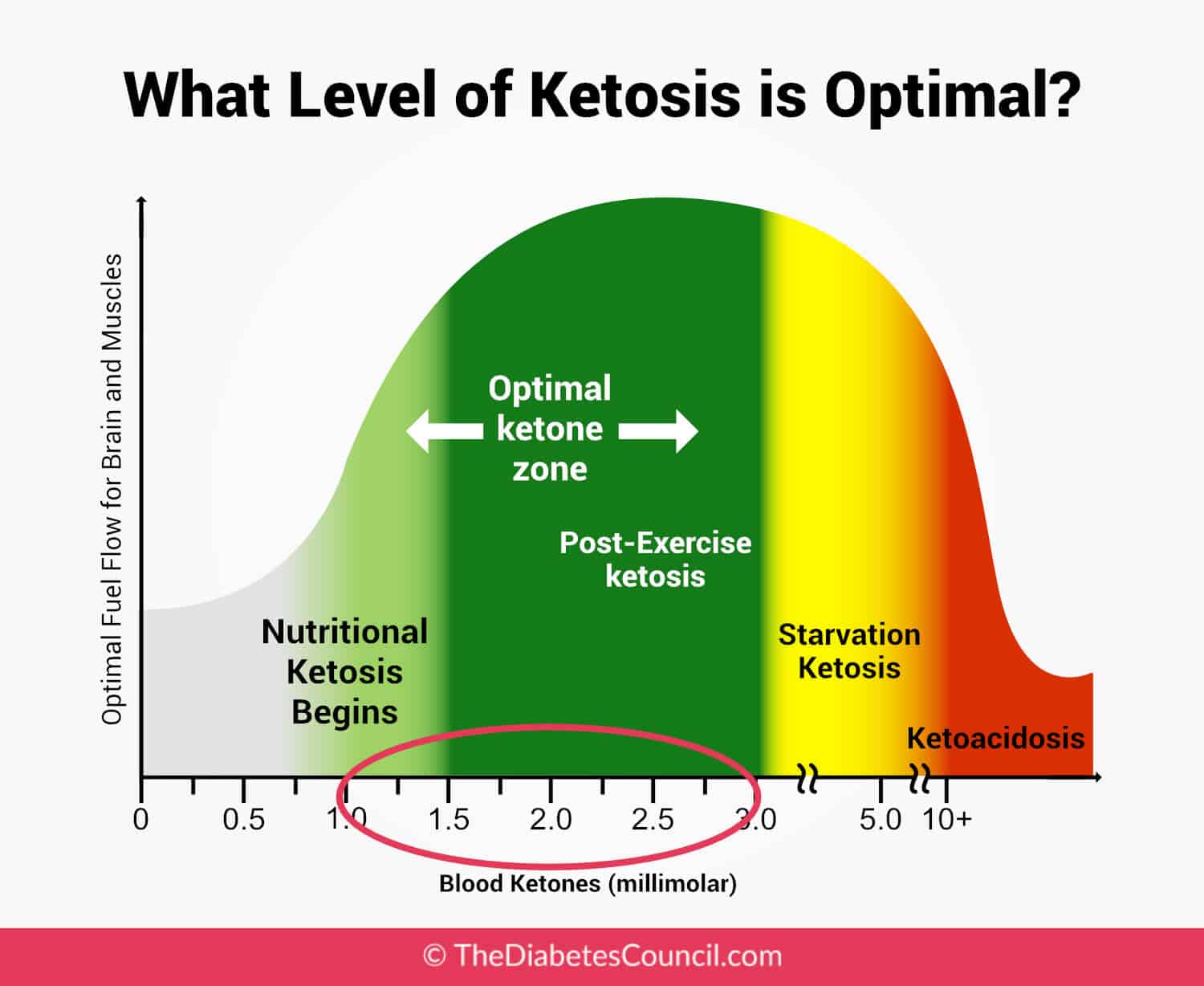 www.thediabetescouncil.comketone diabetes levels ketones chart testing diet results ketosis blood level keto ketogenic ketoacidosis readings optimal meter diabetic thediabetescouncil mean
What should your ketone levels be?. Testing basic: what should your ketone levels be in 2020. An inconvenient truth about ketone levels